
Operational areas
Maritime security risk is concentrated in a small number of sea areas. These are the ones that shape most of the voyages we are asked about.
The areas in brief
Conditions change, sometimes within weeks. The descriptions below explain the nature of the risk in each area; they are not a current threat assessment.
Red Sea, Bab el-Mandeb and Gulf of Aden
Conflict spill-over, missile and drone attack, piracy.
The corridor between Suez and the Arabian Sea carries a large share of trade between Asia and Europe. Vessels here can face threats linked to regional conflict as well as piracy from the Somali coast, and the decision between transiting and routing via the Cape has direct insurance and charter consequences.
Arabian Sea and Western Indian Ocean
Piracy and hijacking far from the coast.
Pirate groups operating from Somalia have shown the ability to attack several hundred miles offshore, using hijacked dhows as mother ships. Threat levels rise and fall with the monsoon seasons and with naval presence, which is why the assessment has to be made for the specific voyage and date.
Strait of Hormuz and Gulf of Oman
Vessel seizure, harassment, limpet mines, GNSS interference.
A narrow chokepoint for energy shipping where the main risks are state-linked: boarding and detention of vessels, attacks at anchorage and interference with navigation systems. Flag, ownership and cargo interests all affect how exposed a particular vessel is.
Gulf of Guinea
Kidnap for ransom, armed robbery, cargo theft.
Off West Africa the pattern is different from the Indian Ocean: attackers target crews for kidnap, often at anchorages or while vessels drift waiting for berths. Coastal state rules restrict the use of private armed teams in territorial waters, so protection has to be planned with local arrangements in mind.
Straits of Malacca and Singapore, Sulu and Celebes Seas
Armed robbery under way and at anchor, crew abduction.
Dense traffic and slow passage through the straits make boardings by small groups a persistent risk, mostly aimed at stores and engine spares. Further east, the Sulu and Celebes Seas have a history of crew abductions from slower vessels and tows.
Black Sea
Armed conflict, drifting mines, port and anchorage attack.
Since 2022 commercial shipping in the Black Sea has operated alongside an active conflict. Mines, attacks on port infrastructure and changing corridor arrangements make war risk cover and up-to-date routing advice central to any voyage.
Coverage
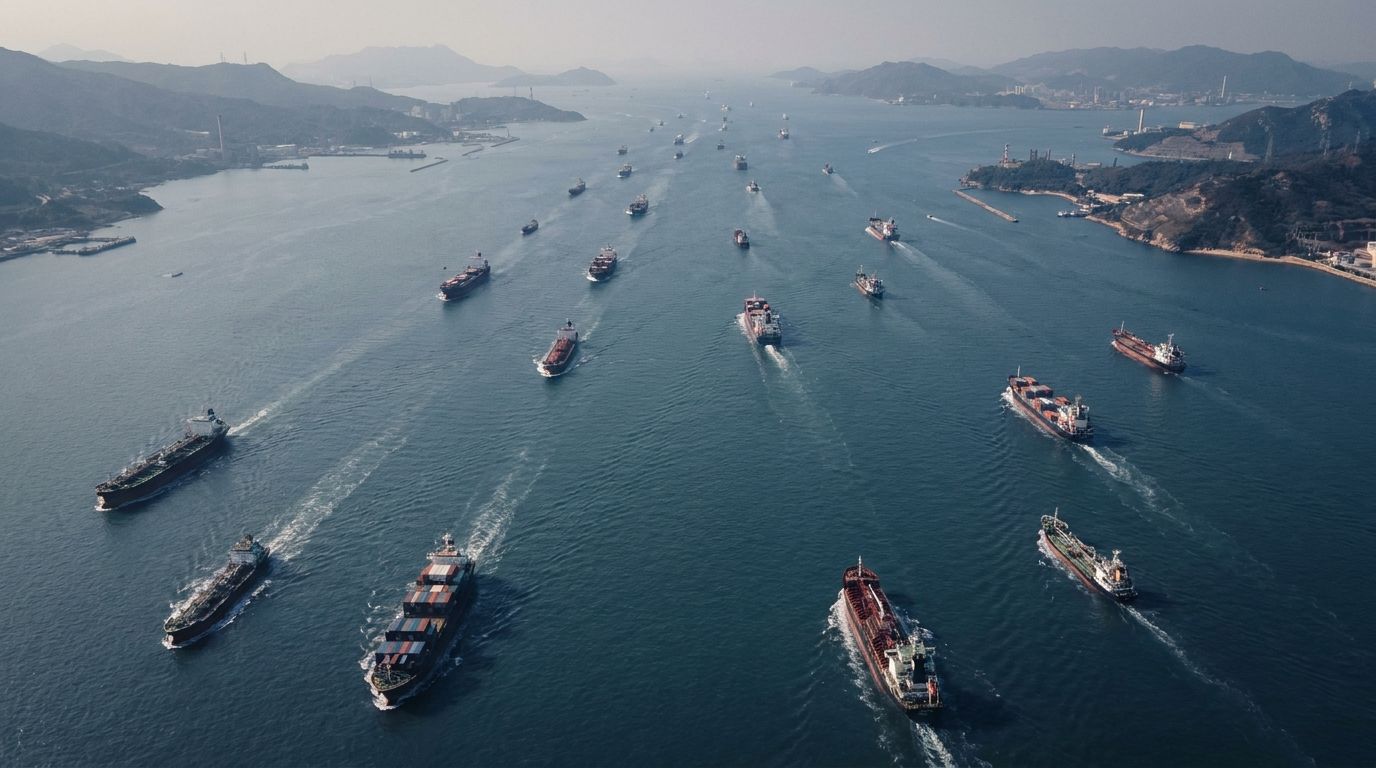
MS&I supports voyages worldwide. For any particular area, what we can provide depends on coastal and flag state rules, on the embarkation points available and on the arrangements we hold locally. Ask us about the specific passage and we will tell you plainly what is possible.
List of regions and embarkation points served by MS&I: to be confirmed
Voyages elsewhere are assessed on request. The absence of an area from this page does not mean the absence of risk.
Planning a passage through one of these areas?
Send us the route and dates. We will tell you what we would assess and what we would need from you.