
Maritime Security Services
Protection that starts with the voyage plan, long before a vessel reaches a high-risk area.
A security incident at sea is rarely a surprise in hindsight. The route, the speed, the freeboard, the season and the pattern of recent attacks usually told the story in advance. Our work begins there: we look at the specific voyage, not the region in general, and build the security measures around it.
Where the assessment calls for an on-board security team, we plan the deployment end to end, from embarkation logistics and flag state permissions to rules for the use of force and the hand-over at disembarkation. Where it does not, we say so, and help the Master and Company Security Officer strengthen the vessel with the measures that are actually proportionate.
What the service covers
- Voyage threat and risk assessment
- A written assessment for the planned passage: threat picture, vessel vulnerability, and the measures we recommend for each leg of the transit.
- On-board security teams
- Planning and coordination of embarked security personnel for the transit, including embarkation and disembarkation points, permits and equipment logistics.
- Vessel hardening
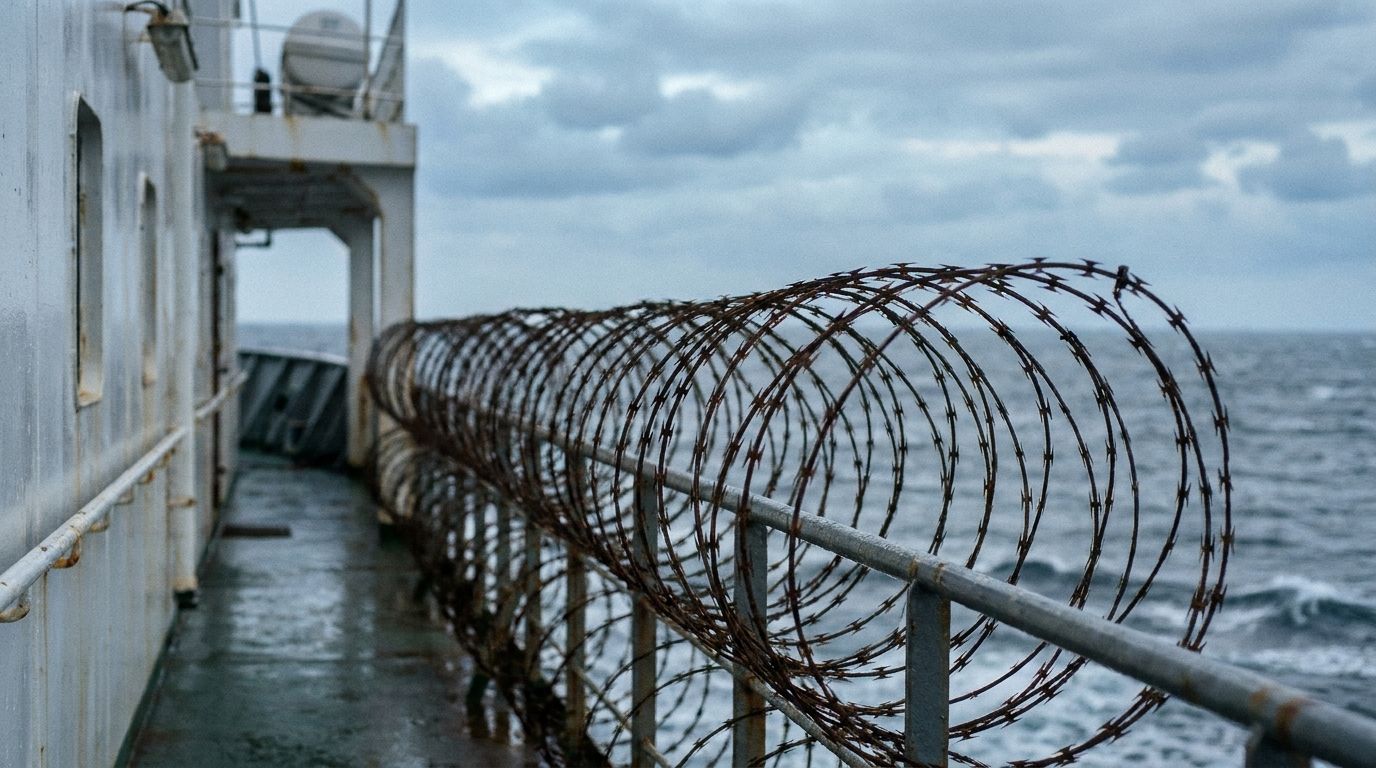
- Practical guidance on ship protection measures in line with industry best management practices: access control, physical barriers, lookout routines and citadel preparation.
- Crew briefing and drills
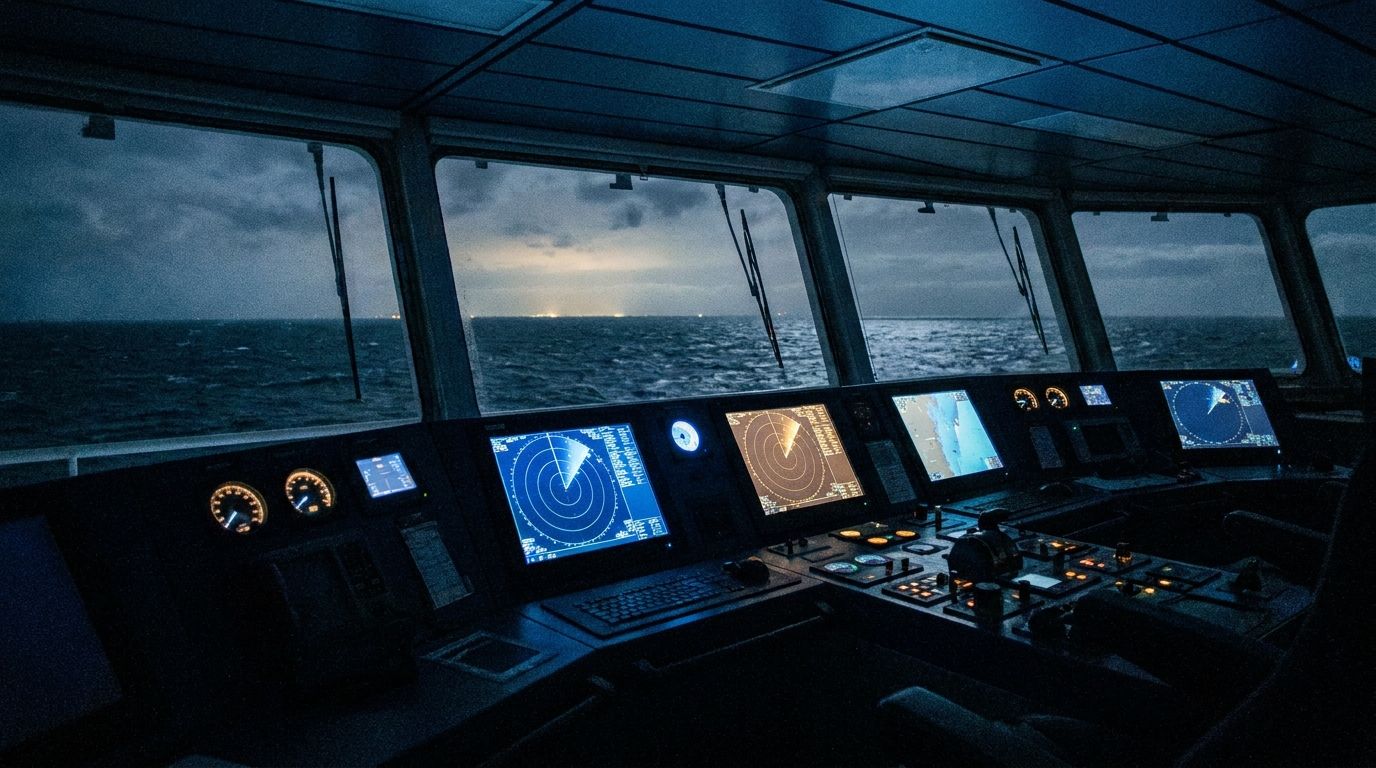
- Pre-transit briefings and drills so the bridge team and crew know their roles if the vessel is approached or attacked.
- Transit monitoring and reporting
- Support with registration and reporting to the relevant maritime security centres, and a point of contact ashore for the duration of the transit.
- Post-transit report
- A concise record of the passage, any suspicious activity observed, and lessons to carry into the next voyage.
When owners and operators call us
- A fixture takes a vessel through waters the company has not traded in before.
- The charterer, insurer or flag state requires evidence of a voyage risk assessment.
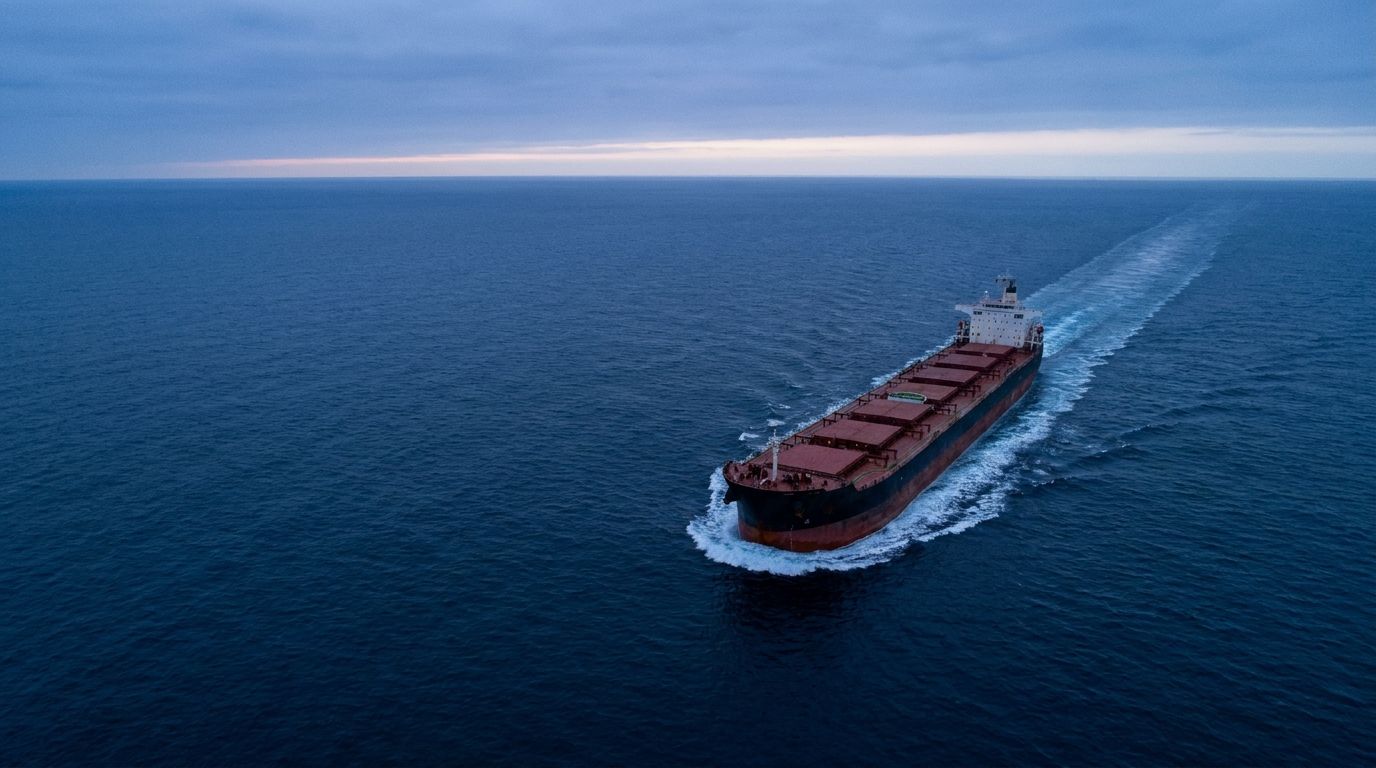
- A slow, low-freeboard or otherwise vulnerable vessel is routed through a high-risk area.
- The security situation on an established route has changed and existing procedures need a second look.
What you receive
- A voyage-specific risk assessment in writing
- A security plan agreed with the Master and Company Security Officer
- A single point of contact before, during and after the transit
- A post-transit report for your records and your insurers
Other services
Specialized Vessel Protection
Tailored protection for vessels and operations that standard transit security does not fit: offshore units, tows, project cargo, survey work and yachts.
DetailsMaritime Risk Advisory
Independent advice on security risk for routes, ports, fleets and contracts, so that commercial decisions are made with the threat picture in view.
DetailsMarine Insurance Solutions
Support in arranging marine insurance that matches the way a vessel actually trades, with security risk and cover considered together.
Details
Tell us about the voyage
Send us the vessel, the route and the dates. We will come back with what we need to know and what we can do.