
Specialized Vessel Protection
Some vessels cannot simply speed up and steer away. Their protection has to be designed around the job they are doing.
Standard guidance for merchant ships assumes a vessel that is under way, manoeuvrable and able to leave the area. A tug with a tow at five knots, a survey vessel running lines for weeks, a heavy-lift ship with deck cargo, or a yacht at anchor does not have those options.
For these cases we design the protection around the operation itself: how long the vessel is exposed, how it is constrained, who is on board and what would be lost if work stopped. The result is a plan that the operations team can live with, not one that looks good on paper and gets in the way on deck.
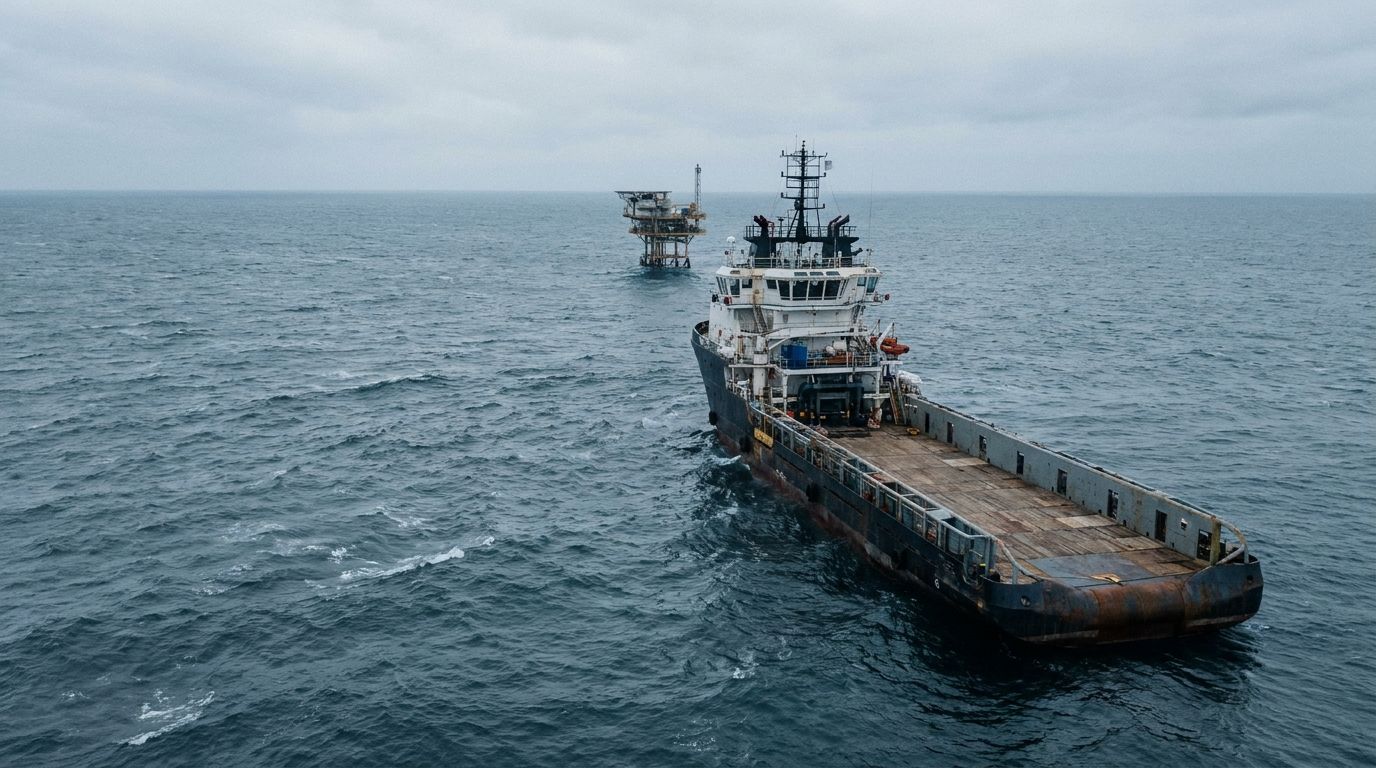
Operations we plan protection for
- Offshore and energy support
- Supply vessels, crew boats and construction units working at fixed locations or on predictable shuttle routes.
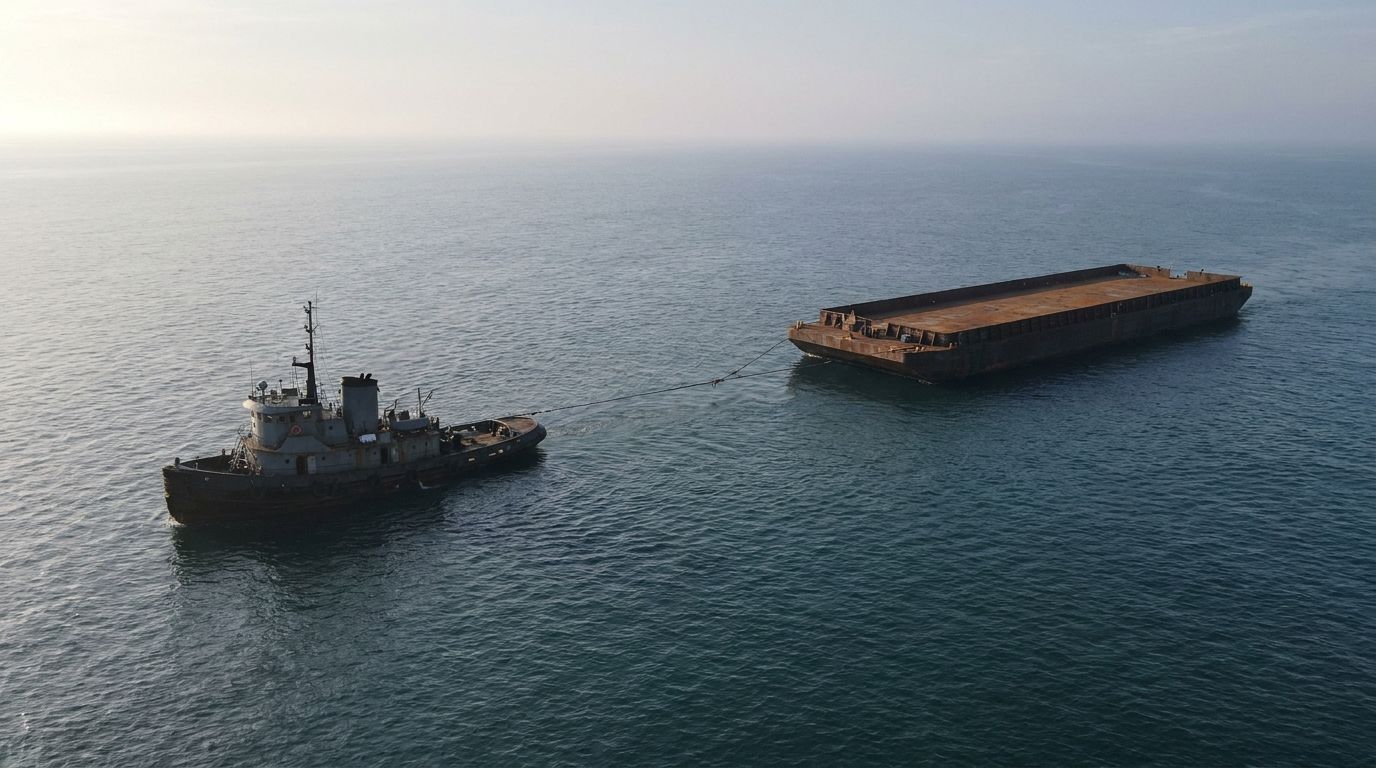
- Tows and slow transits
- Tugs, barges, rig moves and dead-ship tows whose speed and manoeuvrability are limited for the whole passage.
- Survey, cable and dredging work
- Vessels that hold a pattern or a position for extended periods and cannot break off without commercial consequences.
- Project and high-value cargo
- Heavy-lift and specialised cargo movements where the consignment itself raises the vessel's profile.
- Yachts and passenger craft
- Private and commercial yachts on delivery passages or cruising itineraries that pass through higher-risk waters.
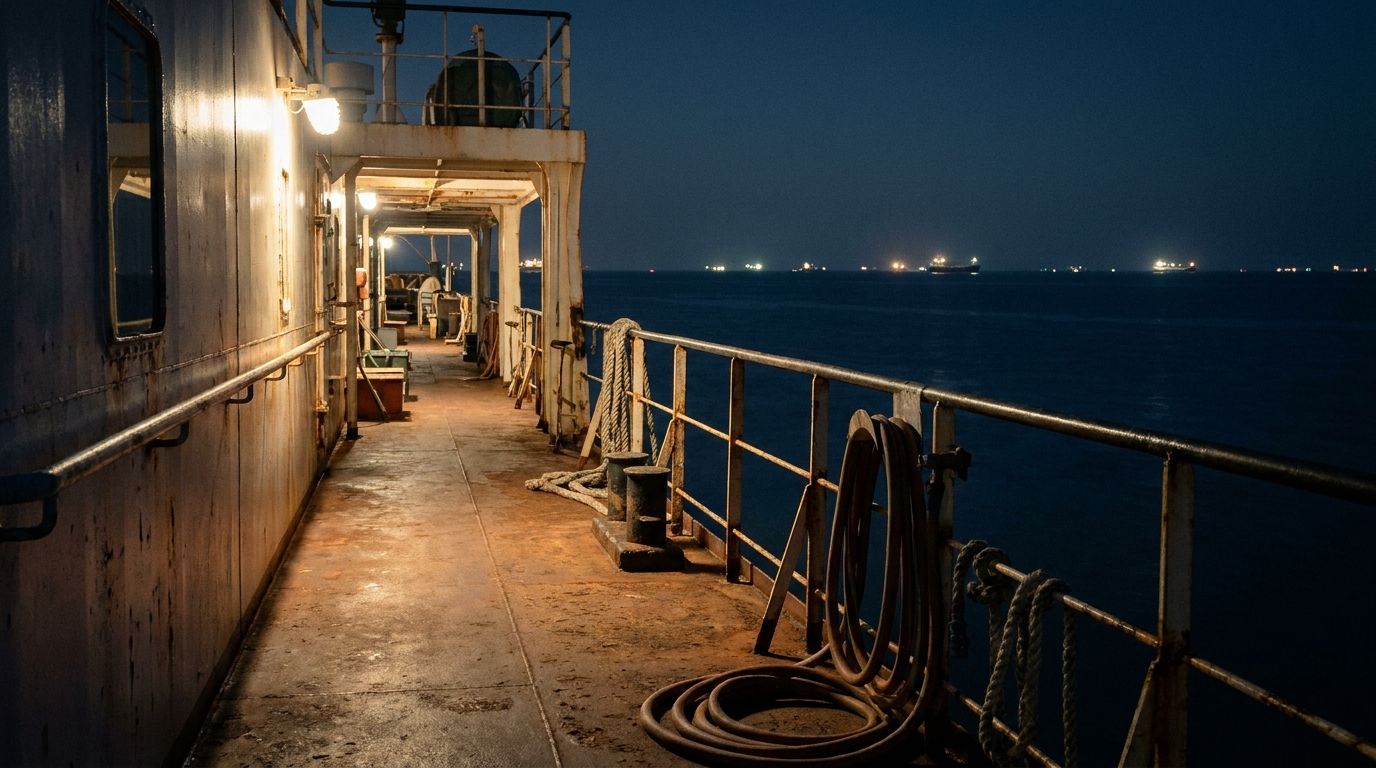
- Anchorage and port stays
- Protection against armed robbery, theft and stowaways while a vessel waits at anchor, drifts off port or lies alongside.
Typical starting points
- An operation will keep a vessel in one area long enough for its presence to become known.
- The vessel's speed, freeboard or tow makes evasive manoeuvring unrealistic.
- Client or contract requirements call for a dedicated security plan for the project.
- A previous approach, boarding or theft has shown that current measures are not enough.
What you receive
- An operation-specific security concept, written with your operations team
- Defined measures for each phase: mobilisation, transit, on-site work and demobilisation
- Coordination with local authorities and agents where the operation requires it
- Clear escalation and communication procedures for the people on board and ashore
Other services
Maritime Security Services
Security planning and on-board protection for commercial vessels transiting waters where piracy, armed robbery or conflict spill-over is a credible threat.
DetailsMaritime Risk Advisory
Independent advice on security risk for routes, ports, fleets and contracts, so that commercial decisions are made with the threat picture in view.
DetailsMarine Insurance Solutions
Support in arranging marine insurance that matches the way a vessel actually trades, with security risk and cover considered together.
Details
Tell us about the voyage
Send us the vessel, the route and the dates. We will come back with what we need to know and what we can do.